
How to use mobile-first to gain customers

January 1, 2025

What is mobile-first?
The majority of people around the world have a smartphone or mobile device. 81% of Americans own a smartphone, and about half of the world. Information is faster to receive because of the internet. People can purchase a product in seconds, receive quotes instantly, book appointments, etc. This is because of the mobile-first design that is used for mobile devices.
Mobile-first design is developing a website or app for mobile devices. This approach is for mobile users, who are more likely to visit a site first with a mobile device instead of a desktop.
Read more-
How To Leverage Customer Experience Management To Increase Revenue.
The Power of User Experience in Digital Marketing
New and early stages products
Having a mobile design for the early stages of a product or service is crucial. It is usually the first way that consumers interact with a brand. Having an easy-to-use mobile-first site will help a business find success. It will either attract customers or make customers look away. This lets customers learn more about the product or service through their smartphones. From a mobile website, a business can promote its app to users. This will give users instant access to a company and can lead to a positive customer experience.
Learn more-
How do you reduce user errors and improve the product user experience?
Choosing the Right B2B Mobile App UX Design Company
Mature Product Stages
Mature product stages are challenging times for businesses to keep customers. Many companies ask themselves, “How can I keep customers returning for our product?.” This is when a mobile app comes in handy for companies. During the mature stages, customers already know what they want. An app is easier to navigate and can allow them to reorder previous purchases. The app lets users learn more about other products and services. Also, reach out to customer service or find a nearby location. An app is meant to give users a positive experience, leading to loyal customers.
Read our success stories-
Grow revenue by adding a new sales channel
Growth stage products
The product will become old at the growth stage, and many buyers will look for something else. The app will benefit the business by saving buyers’ information. Many times, users will return because of how easy an app is. They don’t want to download another app and input their information again. An app with customer information will save the user’s data for faster service. What will keep the customer is not the product but the service.
Mobile design for smartphones and tablets
When building an app or designing a website for mobile devices. It would help if you kept in mind the different types of devices. For smartphones, the website should get straight to the point. Many mobile users spend about 26 minutes on a mobile site. When making a site for a smartphone, it should be easy to scroll. Since the screen is smaller, all the content should fit. The primary CTA should be at the beginning of the site. This is because it will be the first thing people will see when visiting the site. It will lead to sales, subscriptions, etc.
Should you build an app or website? Read more on how to make that decision – Progressive Web Apps Vs. Responsive Websites: How to Choose
Tablets are about the same as smartphones but have a broader view. This benefits the business by allowing them to add more content to their site. This will enable you to show other services and products to the users. On a tablet, you want to show more engaging content. That will have users on the site for longer, such as videos, images, newsletters, etc. With tablets, you need to plan out the type of content that will be shown. This will drive interest to the user.
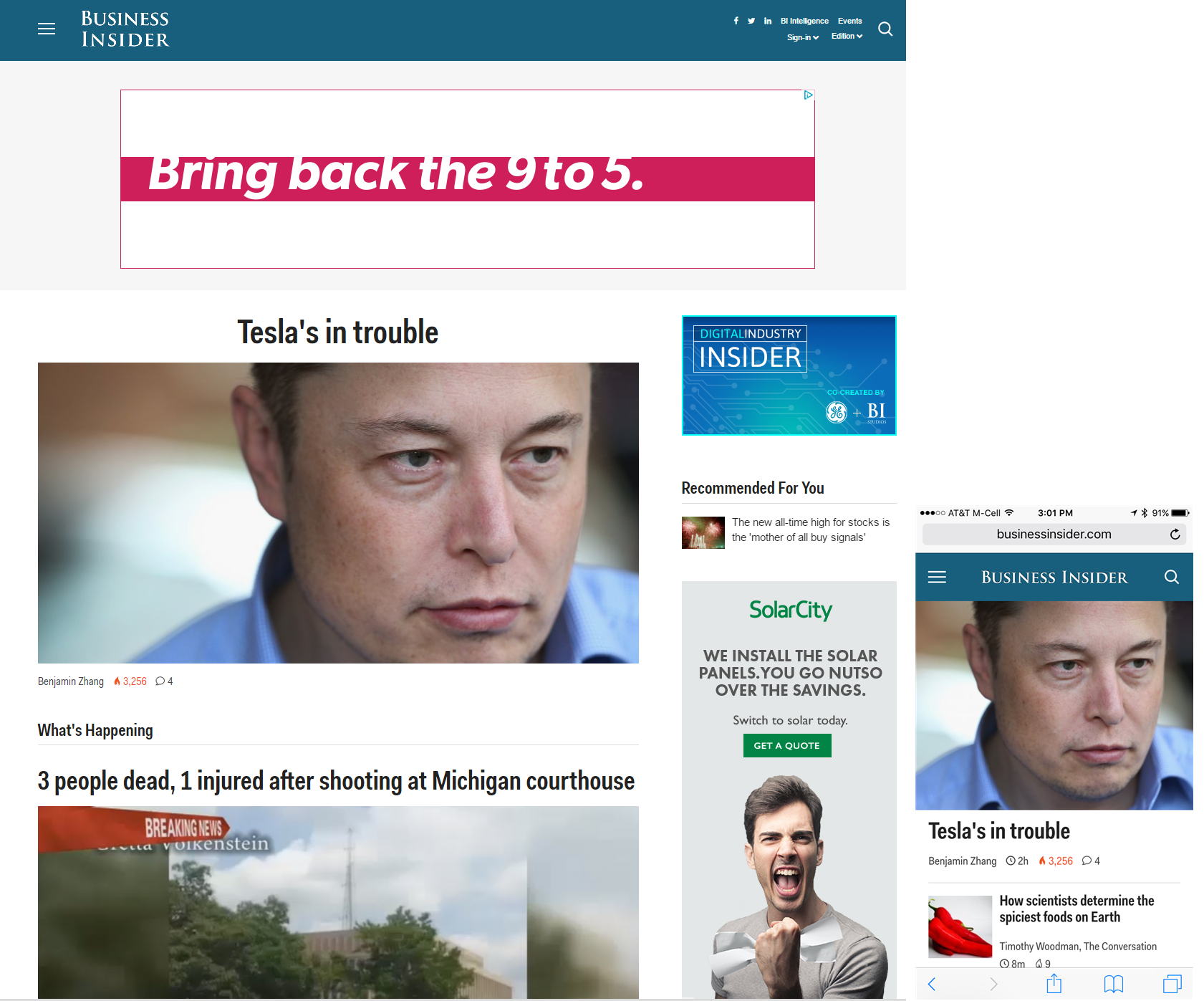
NNgroup
Keep your mobile-first site simple.
A complex mobile site will scare customers away. Consumers hate when something is too complex to use. That is why keeping a site is the key to success. If something is too complex, consumers will feel overwhelmed and will leave. Mobile designs need to go straight to the point. In 2019 worldwide revenue on mobile apps was $462 billion. A mobile app should be simple because it can be the primary way a customer will interact with the brand.
For example, the Amazon app is simple and easy to use, and it has acquired 150.6 million app users and 112 million prime users. The app gets straight to the point for consumers to purchase a product. They have a search bar on top of the app for people to look for products. It instantly takes them to the products the buyer might be interested in. Anything done on the Amazon website can be done on their app. For example, the user can change their address, credit card information, etc. Amazon allows its users to do everything from their mobile app. They know that most of the population is always on their phone, which uses a mobile-first design to keep their customers returning. There is no need for the user to go on their desktop. Instead, they can do it on the app with the same result. This has made Amazon the number one online retail company.
Mobile apps should be engaging.
When building a mobile-first design, remember that it will be the first consumers will see. Many store’s goals are to keep buyers in store for long periods. This is because the longer a buyer is in store. That is why IKEA, Costco, and Sam’s Club have food courts to keep buyers longer. This is the same method you should use when building a mobile-first site or app.
For example, eBay has one of the most engaging apps for mobile devices. eBay lets users search for items that they are interested in. From there, multiple items will come up from different vendors. The user can either make a purchase or keep scrolling through. The app has a category section for items such as antiques, art, books, cameras, collectibles, clothing, and more. This can keep users looking through more stuff while on the app and lead to more spending. It can also be done from anywhere through the app.
A different way that apps are engaging is by sending notifications and updates. Notifications can be sent out when there’s an offer. For example, Postmates will send out notifications when there are specific discounts for meals. This keeps the customer engaged with the app and is more likely to purchase.
Having an engaging app will keep customers returning, and they will always find something interesting to keep them using it.
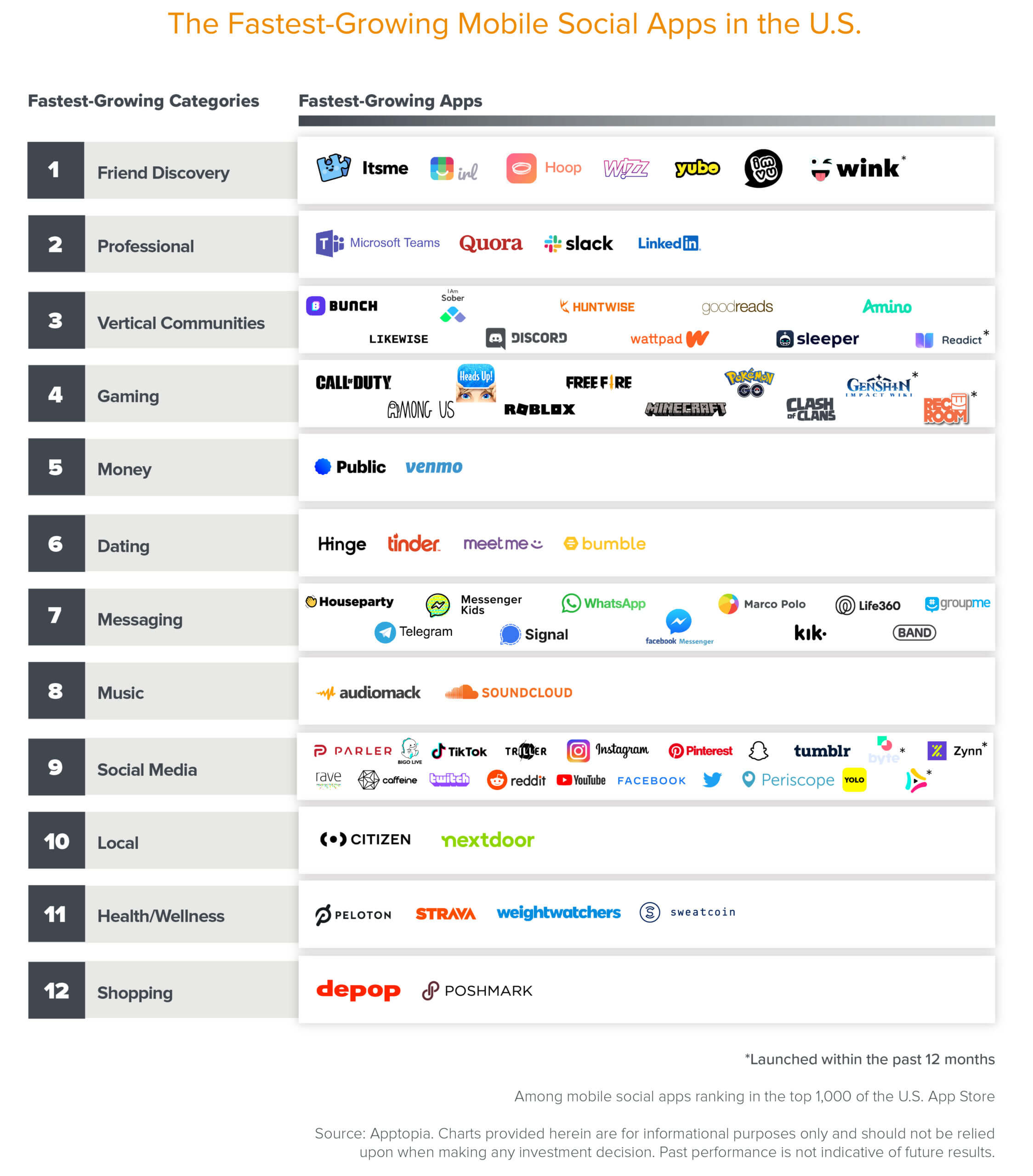
a16z
Mobile-first can help people discover your business.
One of the many benefits of having an app is it can come up during searches. This allows mobile users to discover your product or services. 30% to 40% of customers find local businesses through maps.
The way to come up as a top search result is by picking the correct set of keywords. The keywords should be relevant to the app and its features. The content that is posted on the app needs to correlate with the keywords that are being used on search engines. Another way to get top of searches is through paid ads. A business can invest in Google for paid search to get the top search results. This is not the most effective method because of cost, but it will get the app exposure.
It is best to do it organically, which in return will cost less and can still have success on search engines ranking.
Read more on the latest digital trends- Everything You Need To Know About Digitization Trends
Employee facing
Mobile sites and apps can make work easier for many employees. If an app is easy to use, consumers can do many things with the app. For example, tasks that are easy to do and take up the employee’s time can now be done by the user through the app. This saves employees time and lets them focus on their job. Apps allow for better communication and faster response time. A great app can bring more success to employees. This can lead to raises or bonuses, which can lead to more success.
Customer-facing
Consumers no longer want to wait in line for service or have to call. Instead, mobile apps can offer services to them instantly. They can get the answer through an app if they have a question. Also, they can learn more about specific products or services through mobile sites. Shopping can be done instantly and the item shipped to their homes. Apps can also be personalized for the user’s preference, such as the preferred language, location, etc. Mobile apps also have features that benefit users. For example, augmented reality can be used to scan bar codes or for other purposes. Mobile-first sites create a positive experience for the user.
Learn more- The Future of AI and User Experience Design
Downturn
Mobile-first websites have proven to be extremely useful during the COVID-19 pandemic. Businesses that developed apps found success during these challenging times, primarily because consumers were able to accomplish tasks they typically did in person through these apps. For example, customers can place orders using mobile sites and applications. E-commerce companies also experienced positive results since they could continue operations without needing to close. Their apps and websites allowed them to function during the pandemic, unlike brick-and-mortar stores that were forced to shut down due to quarantine measures. Emphasizing a mobile-first approach is crucial for the future success of every business.
Conclusion
Businesses need to improve their mobile-first design. It is the introduction of your business to the world. It can lead to more exposure and sales. Designial can help improve your UX design on your mobile-first site. Talk to us.
Editor’s note: This post was originally published in December 2020 and has been updated for comprehensiveness.